Spring Plant Graphics for Modern Editorial Design
As a seasoned blog designer and digital publisher, I've encountered countless graphic design assets over the years. One that recently caught my eye is Spring Decorative Plant Design. This versatile graphic design asset offers a fresh, seasonal aesthetic that can elevate your content across multiple platforms. Whether you're building a blog, creating downloadable resources, or designing social media graphics, this asset has the potential to make your visuals stand out.
A Visual Mood That Speaks to Springtime
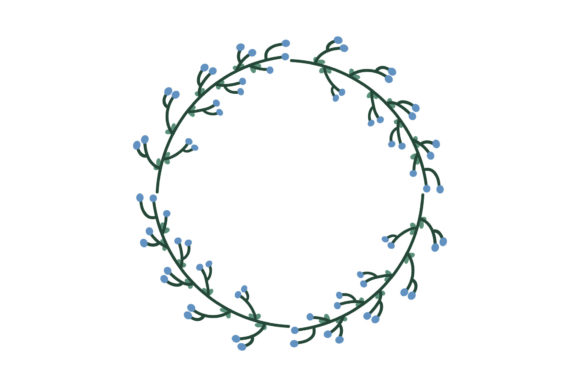
The first impression of Spring Decorative Plant Design is one of gentle vibrancy and natural charm. It exudes a lifestyle-focused, seasonal mood that's perfect for content related to gardening, home decor, wellness, and lifestyle publishing. The soft green tones and delicate floral elements create an inviting atmosphere that feels both artistic and approachable.
This design asset is ideal for editorial content that aims to feel warm, welcoming, and slightly whimsical. It’s not overly bold or modern, but rather a balanced blend of decorative and clean elements. Its visual tone supports niches like eco-friendly living, interior design, and seasonal content marketing. It can also be adapted for more educational content by pairing it with informative text and clear visual hierarchy.
Where Spring Decorative Plant Design Shines in Real Publishing Workflows
Spring Decorative Plant Design is a powerful tool for bloggers, affiliate marketers, and content creators who need high-quality visuals that look polished and professional. Here are some real-world use cases where this design asset can make a difference:
- Blog Featured Images: Use it as a hero image on your homepage or as a featured image for a seasonal post. It adds visual interest and improves click-through rates.
- Pinterest Pins: The canvas size of 1920x1280 pixels makes it ideal for Pinterest optimization. It works well with text overlays and can be repurposed into engaging pins.
- Article Headers: Incorporate it as a header graphic for articles about springtime trends, plant care, or garden inspiration. It helps set the tone and draws readers in.
- Website Banners: Place it at the top of your site or within a category section to create a cohesive brand identity and improve user engagement.
- Newsletter Headers: Use it as a background or overlay for newsletter headers. It adds a touch of elegance without overwhelming the content.
- Lead Magnets: Include it in downloadable resources like printable guides, worksheets, or digital products. It enhances the perceived value of your content.
- Social Media Graphics: Repurpose it for Instagram posts, Facebook covers, or Twitter images. It maintains visual consistency across platforms.
- Canva Templates: Integrate it into Canva templates for quick and easy content creation. It’s a great way to maintain a consistent design language.
How It Supports Content Performance
Using Spring Decorative Plant Design can significantly impact your content performance. A strong first impression is crucial in digital publishing, and this asset delivers that with its eye-catching design. It helps establish a clear visual hierarchy, making your content easier to navigate and more engaging for readers.
Additionally, this graphic design asset contributes to stronger brand identity by reinforcing a consistent visual style across all your content. It improves reader trust by giving your website and blog a more professional appearance. With its seasonal theme, it also aids in category recognition, helping users quickly identify relevant content.
Best Practices for Using Spring Decorative Plant Design
While Spring Decorative Plant Design is incredibly versatile, it's important to use it strategically. It works best in areas where a bit of visual flair is welcomed, such as hero images, article thumbnails, and social media previews. However, it should be used with caution in contexts that require a more minimal or serious tone, such as corporate content or text-heavy blog images.
To ensure optimal performance, test the asset on both desktop and mobile screens. Check how it looks as a thumbnail, especially if it will be used in a grid layout. Preview it inside a real blog layout to see how it interacts with other elements. Always check contrast and readability, especially when using it with dark or light backgrounds.
Consider how it looks in black and white to ensure it remains visually appealing without color. Test it alongside different font styles—serif, sans serif, script, and display fonts—to find the best combination for your brand. Review file size for web performance and compress images properly to maintain quality without sacrificing speed.
Commercial Licensing and Branding Considerations
Before using Spring Decorative Plant Design on monetized websites, affiliate pages, or paid content products, confirm the commercial license. Ensure that the asset is suitable for your intended use and that you have the right to use it in a commercial context. This step is crucial for maintaining legal compliance and protecting your brand’s integrity.
In summary, Spring Decorative Plant Design is a valuable graphic design asset that can enhance your blog visuals, website branding, editorial content, downloadable resources, and social media presentation. Whether you're working on a digital guide, a lead magnet, or a Canva template, this asset offers a fresh and seasonal aesthetic that aligns with modern editorial design standards.