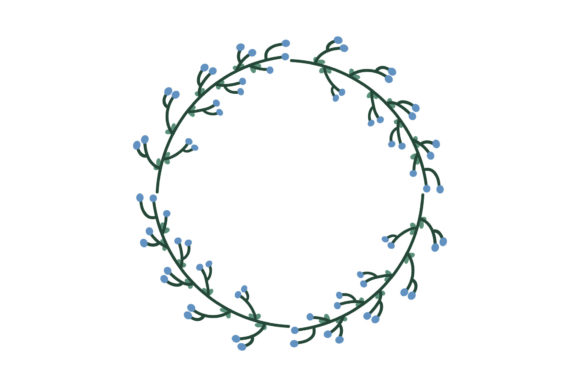
Frame Decorative Vector Graphics for Modern Editorial Design
A Visual Anchor for Content Publishers
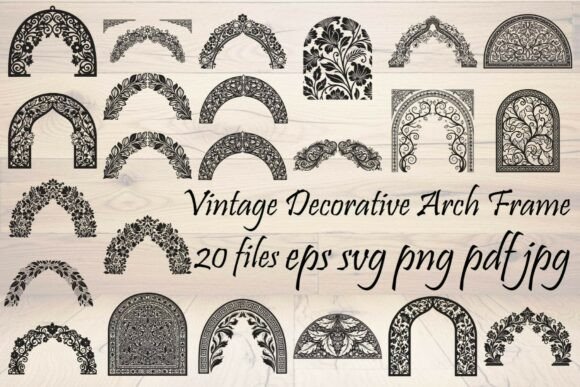
As a seasoned blog designer and digital publisher, I’ve encountered countless graphic design assets over the years. One that recently caught my eye is Frame Decorative Vector. This graphic design asset brings a fresh, modern aesthetic to editorial and web publishing. Its clean lines and subtle ornamentation create a visual mood that’s both artistic and approachable—perfect for content creators looking to elevate their brand identity without overwhelming their audience.
First Impressions: Aesthetic and Editorial Impact
The first time I saw Frame Decorative Vector, I was immediately drawn to its balance of simplicity and detail. It feels like a bridge between minimalism and decorative art, making it versatile enough for a wide range of editorial applications. Whether used as a website header or a Pinterest pin, this design adds a touch of sophistication that can enhance reader trust and engagement.
This graphic design asset is particularly well-suited for lifestyle, fashion, and creative niches. It supports content that leans into aesthetics, personal branding, and visual storytelling. Its versatility allows it to fit seamlessly into both casual and professional contexts, depending on how it's styled and paired with other design elements.
Real-World Publishing Applications
One of the strongest aspects of Frame Decorative Vector is its adaptability across different publishing formats. From blog featured images to digital guides, this design can be integrated into various editorial workflows. Here are some key use cases:
- Blog Graphics: Use it as an article header or sidebar accent to guide readers through your content.
- Pinterest Pins: The vector format makes it ideal for high-quality, scalable pins that maintain clarity at any size.
- Newsletter Headers: Elevate your email marketing with a visually engaging newsletter header that aligns with your brand identity.
- Downloadable Resources: Incorporate it into lead magnets or printable designs to add a polished feel to your digital products.
- Social Media Graphics: Create eye-catching social media graphics that stand out in feeds and drive clicks.
- Website Banners: Use it as a hero image or category thumbnail to improve user navigation and site structure.
By integrating Frame Decorative Vector into these areas, publishers can achieve stronger visual hierarchy, more consistent branding, and improved reader trust—all essential components of effective content marketing.
Enhancing Content Performance with Visual Hierarchy
Visual hierarchy plays a crucial role in how users engage with content. Frame Decorative Vector supports this by offering a clear focal point that draws attention without being distracting. When used as a website header or digital guide cover, it helps establish a strong first impression and sets the tone for the entire piece.
Additionally, the design’s scalability and format flexibility (AI, SVG, and Tran) make it easy to adapt for different platforms. This ensures that your content maintains a cohesive look whether it's displayed on desktops, mobile devices, or social media platforms.
Best Uses and Cautions
While Frame Decorative Vector is incredibly versatile, it’s important to know where it shines and where it might fall short. Here are some best practices:
Where It Works Best
- Hero Images: A striking hero image can make or break a page. This design is perfect for drawing users in.
- Article Thumbnails: Enhance search engine visibility with visually appealing thumbnails that encourage clicks.
- Category Visuals: Use it to represent different sections of your website, improving navigation and user experience.
- Content Upgrades: Add value to your content with downloadable resources that include this design as a branded element.
- Social Media Previews: Ensure your content stands out in feeds with optimized social media graphics.
Where to Use Carefully
- Small Mobile Thumbnails: Avoid using it in tiny spaces where details may get lost.
- Text-Heavy Blog Images: Be cautious about pairing it with dense text; ensure readability remains high.
- Low-Contrast Backgrounds: Test the design against different backgrounds to maintain visibility.
- BUSY Layouts: Avoid cluttering pages with too many design elements that could distract from the main content.
- Corporate Niches: While not unsuitable, it may not convey the same level of professionalism as more minimal designs.
Publisher Notes for Optimal Use
To maximize the effectiveness of Frame Decorative Vector, consider these practical tips:
- Test Across Devices: Ensure the design looks great on both desktop and mobile screens.
- Preview in Real Context: Check how it fits within your blog layout or website template.
- Check Contrast and Readability: Make sure text remains legible when placed next to the design.
- Try in Black and White: Assess how the design holds up in grayscale for accessibility and print readiness.
- Font Pairing: Experiment with serif, sans-serif, script, and display fonts to find the best combination.
- Review File Size: Optimize for web performance by compressing images without sacrificing quality.
- Confirm Licensing: Always verify commercial licensing before using the design on monetized sites or affiliate pages.
With proper implementation, Frame Decorative Vector can become a valuable tool in your design assets arsenal, helping you deliver polished, professional content that resonates with your audience.