Floral Harmony: A Graphic Design Asset for Creative Projects
A First Impression of Decorative Flower Mandala Art Design
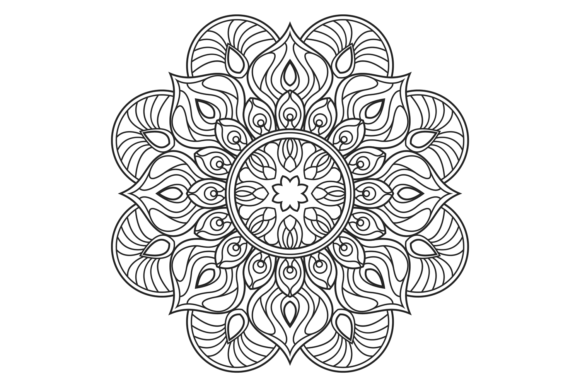
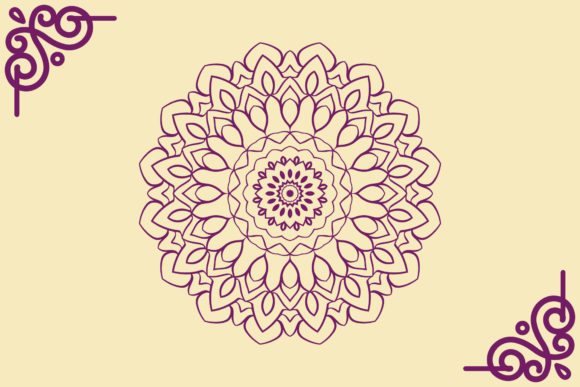
The moment I first encountered Decorative Flower Mandala Art Design, I was struck by its intricate balance of floral elements and geometric precision. The design exudes a calming yet vibrant energy, making it ideal for projects that require both visual appeal and emotional resonance. Its detailed patterns suggest a handcrafted aesthetic, while the structured layout hints at a modern, clean approach. This blend makes it particularly suitable for handmade brands or small businesses aiming to convey authenticity through their visuals.
Design Context and Project Fit
As a designer working on a seasonal campaign for a boutique product line, I found Decorative Flower Mandala Art Design to be a versatile asset. It can serve as a central graphic in branding materials, such as logos, packaging, or social media content. The mandala pattern is especially effective when used as a background element in digital ads or editorial layouts, where it adds depth without overwhelming the main message.
This design also works well with creative marketplaces like Etsy, where handmade aesthetics are key. For instance, it could be used as a sticker design, t-shirt graphic, or even a printable wall art piece. Its availability in multiple formats—AI, EPS, SVG, JPG, PNG, and DXF—makes it adaptable for various applications, from digital marketing to physical products.
Where Decorative Flower Mandala Art Design Shines
- Hero Graphics: The mandala’s complexity and detail make it perfect for large layout areas, such as hero images on websites or social media posts.
- Product Mockups: It can be layered over product images to create visually engaging mockups for print-on-demand or sublimation designs.
- Themed Collections: Its floral motif aligns well with spring or summer campaigns, offering a cohesive theme for a series of related graphics.
- Social Media Graphics: When used as a decorative accent, it enhances the visual mood of Instagram posts or Pinterest pins without overshadowing the content.
- Editorial Design: In magazine layouts or blog visuals, the design adds a touch of elegance and creativity.
When to Use with Caution
While Decorative Flower Mandala Art Design is highly versatile, there are scenarios where it might not perform optimally. For example, in minimalist branding or corporate materials, its intricate details could clash with a clean, professional look. Similarly, using it on small sizes or in crowded layouts may reduce its impact and readability.
It’s also important to consider contrast. When placed against light backgrounds, the design may appear washed out. Testing it in black and white or on different color schemes can help ensure it maintains visual clarity across all contexts.
Impact on Branding and Visual Trust
Decorative Flower Mandala Art Design has the potential to elevate a brand’s visual identity by adding a layer of creativity and personality. However, it must be used thoughtfully to maintain brand consistency. Overuse can lead to a cluttered appearance, which may confuse the audience or dilute the brand’s message.
On the other hand, when integrated into a cohesive design system, this asset can enhance emotional appeal and audience engagement. Its organic shapes and symmetrical patterns evoke a sense of harmony and balance, which resonates well with audiences looking for warmth and authenticity.
Practical Designer Notes
Before using Decorative Flower Mandala Art Design commercially, it’s essential to review the file formats provided. SVG files offer scalability and editability, making them ideal for web use and Cricut projects. PNG files with transparent backgrounds are great for stickers and digital overlays, while AI and EPS files provide flexibility for high-quality print work.
Always test the design at different sizes and resolutions to ensure it remains clear and legible. Previewing it on real mockups or product images helps gauge how it will look in its intended environment. Additionally, confirm the commercial license terms to avoid any legal issues when using it for client projects.
Conclusion
Decorative Flower Mandala Art Design is a valuable addition to any designer’s toolkit, especially for those working with handmade businesses, seasonal campaigns, or creative marketplaces. Its versatility, aesthetic appeal, and adaptability make it a strong choice for a wide range of design applications. With careful consideration of its strengths and limitations, this graphic design asset can contribute significantly to a project’s visual success and brand identity.