Medieval Stained Glass
A First Glance at Medieval Stained Glass
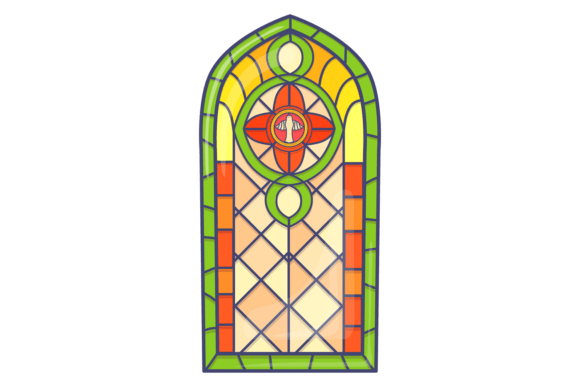
The first time I see Medieval Stained Glass, I’m immediately drawn to its intricate detail and timeless aesthetic. The design features a decorative arched window ornament, rendered in clean lines and delicate patterns that evoke the grandeur of medieval cathedrals. It’s an illustration that feels both historic and approachable, with a visual personality that leans toward elegance and sophistication.
Design Mood and Visual Impact
Medieval Stained Glass carries a mood that is both refined and mysterious. Its stained glass motif suggests light filtering through colored glass, creating a soft, ethereal glow. This makes it ideal for projects that aim to evoke a sense of history, artistry, or fantasy. The layout is symmetrical, with a central arch flanked by smaller ornamental elements, giving it a balanced and harmonious feel.
Detail Level and Stitching Clarity
The level of detail in Medieval Stained Glass is impressive but not overwhelming. The design includes fine lines and subtle textures that can be challenging to stitch accurately, especially on small hoop sizes or thin fabrics. However, the clarity of the lines and the defined shapes make it a good candidate for satin stitch or fill stitch techniques, which are well-suited for this kind of detailed work.
Real-Life Use Case: Custom Embroidered Tote Bag
I recently considered using Medieval Stained Glass for a custom embroidered tote bag. The design would serve as a focal point, adding a touch of historical charm to a practical item. When placed on a white or light-colored fabric, the design stands out beautifully, creating a striking contrast. However, I also thought about how it might look on darker or textured fabrics, which could affect the visibility of the details.
Testing on Fabric
Before committing to a full project, I recommend testing Medieval Stained Glass on scrap fabric. This helps identify any issues with stitch density, thread color contrast, or overall fit. For example, if the design is too dense, it may not translate well to smaller hoop sizes or stretchy materials like denim or cotton blends.
Where to Use Medieval Stained Glass with Care
Medieval Stained Glass is versatile but requires careful consideration when used on certain types of fabric or products. It works best on medium to heavy-weight fabrics like canvas, denim, or cotton twill. However, it may not perform as well on thin or stretchy materials, where the fine details can become distorted or lost.
- Small Hoop Sizes: Avoid using Medieval Stained Glass on very small hoops, as the intricate details may not stitch clearly.
- Dark Fabrics: While the design looks great on light backgrounds, it may lose some definition on dark fabrics unless the thread colors are carefully chosen.
- Textured Fabrics: The design may not render as cleanly on fabrics with a rough texture, such as burlap or linen.
- Curved Surfaces: Consider how the design will look on curved surfaces like caps or hats, where the shape of the embroidery may be altered.
Visual Appeal and Product Value
The visual appeal of Medieval Stained Glass is undeniable. It adds a unique and artistic element to any project, making it a valuable asset for craft businesses, Etsy sellers, or handmade shops. Customers who receive items with this design often comment on its beauty and uniqueness, which can enhance brand recognition and customer trust.
Handmade Presentation and Brand Consistency
When used in handmade products, Medieval Stained Glass contributes to a cohesive and professional presentation. It works well with other medieval-themed designs, helping to create a consistent brand identity. Whether it's a personalized gift, a boutique product, or a commercial embroidery project, the design maintains its visual integrity across various applications.
Practical Design Notes for Embroidery Designers
As an experienced designer, I always advise clients to test their designs before finalizing a project. With Medieval Stained Glass, this means checking thread color contrast, reviewing stitch density, and confirming hoop size compatibility. It’s also important to use proper stabilizer to prevent puckering or distortion, especially on delicate or stretchy fabrics.
Before selling finished items or digital products, confirm the licensing terms. Ensure that the design is suitable for both personal and commercial use, and consider how it might look in different lighting conditions or on various fabric backgrounds.
Mockups and Digital Assets
Using printable mockups or digital embroidery files can help visualize how Medieval Stained Glass will appear in real-life scenarios. These tools are invaluable for Etsy sellers, small shop owners, and craft business professionals looking to present their products effectively to potential buyers.
Final Thoughts on Medieval Stained Glass
In summary, Medieval Stained Glass is a beautiful and versatile design that can elevate a wide range of embroidery projects. From custom apparel to holiday gifts, it offers a blend of elegance and detail that appeals to both hobbyists and professionals. With careful planning and attention to fabric choice, stitching technique, and presentation, this design can become a standout feature in any handmade product or commercial embroidery project.