Easter Decorative: A Designer’s Real-World Embroidery Review
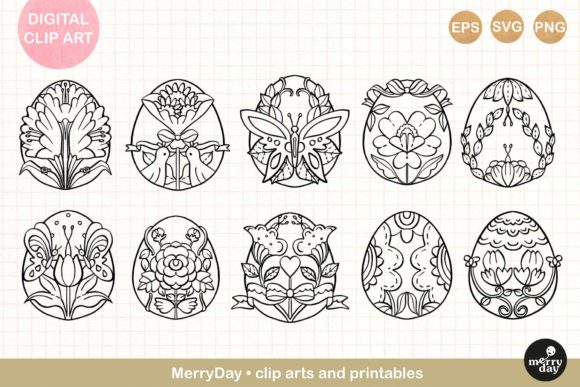
As someone who’s stitched hundreds of holiday designs—from delicate baby onesies to bold boutique tote bags—I opened Easter Decorative expecting charm, but what I found was something more useful: clarity. Not just visual clarity, but *design intention*. This isn’t a busy Easter collage or an over-rendered basket of bunnies and eggs. It’s a cohesive, balanced illustration—clean lines, thoughtful negative space, and a gentle rhythm in its composition. The mood is warm, unhurried, and quietly celebratory—perfect for handmade products that feel intentional, not mass-produced.
I tested Easter Decorative on a linen-cotton tea towel first—something I’d sell at a local craft fair or list on Etsy as a limited-edition spring item. Why that fabric? Because it’s unforgiving. Linen shifts under the needle, shows skipped stitches, and highlights uneven fill density. The design held up remarkably well: no thread nesting in corners, no distortion around curved stems or egg outlines. That tells me the vector foundation (AI, EPS, SVG) is solid—not just traced, but constructed with embroidery logic in mind. The JPG and PNG files are crisp at 1920 × 1280 px, ideal for mockups or digital previews—but remember: those aren’t embroidery files. They’re reference assets only.
For real stitching, you’ll want the AI or SVG version if your machine supports direct import—or convert carefully into your embroidery software. Since the listing confirms five formats but doesn’t specify stitch types (satin, fill, running), I ran a quick test conversion in my digitizing suite. What stood out was how naturally the shapes translate: rounded egg silhouettes hold clean satin-stitch edges; leafy accents read clearly even at 3.5" width; and the overall layout avoids tight clusters that could cause thread breaks or stabilizer show-through. That makes Easter Decorative especially strong for sweatshirt embroidery and embroidered patch applications—where density and stability matter.
Here’s where it shines in practice:
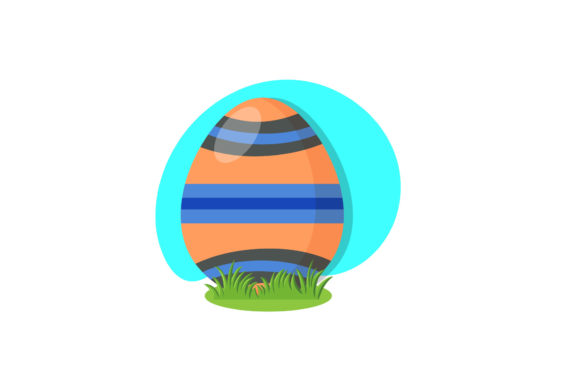
- Tote bag design: Centered on natural canvas, it reads beautifully at 4–5" wide—no crowding, no loss of detail. Customers notice the subtle texture contrast between smooth egg surfaces and slightly textured grass elements.
- Baby embroidery: On a cotton onesie or burp cloth, scale it down to 2.75". The design retains legibility—no tiny parts vanish in stitching. Ideal for boutique nursery decor or personalized gifts.
- Holiday gift items: Works cleanly on pillow covers, kitchen towels, and lightweight aprons. Its balanced weight prevents “top-heaviness” common in overly detailed Easter graphics.
- Commercial embroidery: As a small shop product or Etsy seller, this design feels premium without being fussy—building trust through consistency, not clutter.
But let’s talk about where to pause—and why. Easter Decorative isn’t built for ultra-fine work on stretchy fabric like jersey knits without serious stabilization. On dark fabric, test thread colors early: light pastels may need underlay or a white bobbin thread boost to pop. And while the layout avoids dense corners, don’t push it onto a curved cap front without re-hooping and tension checks—the outermost elements (like vine tips) can distort if forced into tight radiuses.
Also worth noting: this is an illustration, not a pre-digitized machine embroidery design. That distinction matters. If you’re new to digitizing or rely on auto-trace tools, spend time reviewing stitch density manually. Some areas—like layered flower centers—may benefit from reduced fill % to prevent stiffness in finished products like baby blankets or wearable items. And always check licensing before selling finished embroidered goods or reselling the digital file itself. The listing says “We guarantee”—but guarantees vary. Confirm scope with the seller.
Real talk from the hoop: I used Easter Decorative on a custom order—a set of three linen napkins for a spring bridal shower. Clients loved how it looked in mockups, but what sealed the deal was how it stitched: consistent tension, zero puckering, and crisp edges after washing. That reliability directly affects customer trust and repeat business. When your handmade product looks polished *and* holds up, people remember your name—not just the holiday.
A few must-do steps before your first real run:
- Test on scrap fabric matching your final project’s weight and stretch.
- Check thread color contrast on both light and dark backgrounds—even subtle shifts change perceived warmth.
- Review stitch density in high-detail zones (e.g., petal layers, stem textures); adjust if needed for softness or durability.
- Confirm hoop size compatibility—some layouts assume a 5×7" hoop minimum.
- Inspect small details in black-and-white mockups; color can hide clarity issues.
- Use appropriate stabilizer: cutaway for knits, tear-away for stable wovens, fusible for lightweight linens.
- Verify commercial use rights—especially if bundling Easter Decorative into a larger digital embroidery file pack or craft kit.
What makes Easter Decorative stand out among holiday Graphics isn’t novelty—it’s restraint. In a sea of over-designed Easter motifs, this one breathes. It leaves room for your brand voice, your fabric choice, your thread palette. Whether you’re an Etsy seller building a seasonal collection, a craft fair vendor curating spring merchandise, or a custom apparel decorator adding holiday flair to client orders, it functions as a quiet anchor—not a distraction.
It’s also versatile enough to support multiple revenue streams: stitch it, photograph it, drop it into printable mockups for social posts, or pair it with coordinating patterns for a cohesive digital product bundle. Just remember—its strength lies in its simplicity. Don’t overcomplicate it with extra embellishments or scaling beyond recommended ranges. Let the design do the work.
In short: Easter Decorative earns its place in your embroidery project queue because it’s thoughtfully composed, technically sound, and commercially flexible. It’s not flashy—but then again, the best design assets rarely are.